Distinguished Orations 2026
IAPSM MAHARASHTRA STATE ORATION
Padma Shri Dr. Dattatraya Nagappa Pai Memorial Oration
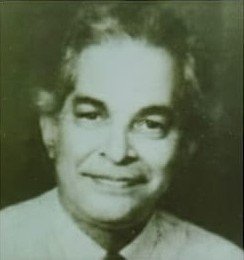
Padma Shri Dr. Dattatraya Nagappa Pai
Dr Dattatraya Nagappa Pai completed his MBBS from Seth GS Medical College in 1954, and MPH from Harvard University, School of Public Health in 1958 (Selected for Assessing Family Planning in Rural Puerto Rico).
Dr. D. N. Pai was the founder Head of the Department of Preventive & Social Medicine in Seth GS Medical College & KEM Hospital, Mumbai and a very popular teacher. He participated in the National Family Planning Movement. Among his work, Dr. Pai started the Pearl Clinics in Mumbai local trains, these were Family Planning clinics for the country. He was awarded the Padma Shri in 1973 and honored for his exemplary work in the field of family planning.
ORATION BESTOWED UPON
Dr. Muralidhar Tambe
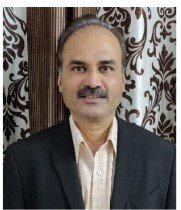
Dr. Muralidhar Tambe
Professor and Head,
Dept. of Community Medicine,
B J Government Medical College, Pune
Assessment of unmet needs and access to assistive technologies among the general population of Pune district through the digital rATA tool: Cross-Sectional Survey.
Assistive Technology(AT) includes various tools and services designed to improve an individual’s functionality. AT encompasses a wide array of products or devices, from basic aids like eyeglasses, hearing aids, and wheelchairs, which help individuals with vision, hearing, and mobility impairments, to more advanced solutions such as communication devices.
This cross-sectional study was taken up in Pune district using a detailed survey protocol to gather representative data on AT need, unmet need and satisfaction during 01/04/2024 to 31.12.2025. Villages and urban wards were chosen with probability proportional to size and households were selected by systematic random sampling. All members of each sampled household were interviewed with the digital WHO Rapid Assistive Technology Assessment (rATA) tool, using hand held tabs for data collection by the project staff.
IAPSM MAHARASHTRA STATE ORATION
Dr. D. K. Ramadwar Memorial Oration
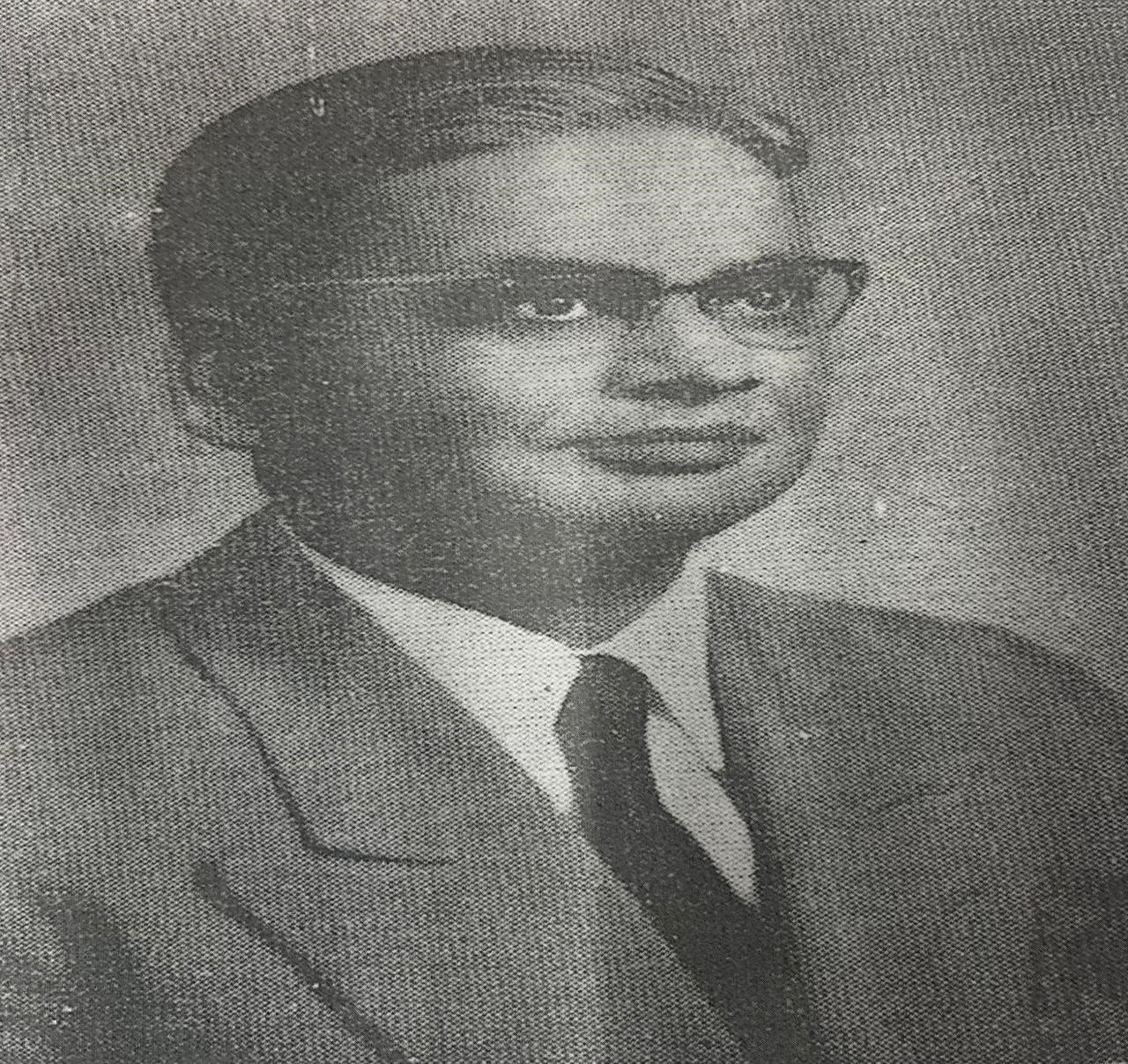
Dr. D. K. Ramadwar
He hailed from village Manthani, Telangana where our prime minister Shri Narasimha Rao was his childhood friend. He was founder professor, Department of Preventive & Social Medicine, GMC Nagpur from 1958-1972.
He completed his D.P.H, DIH, DTMNH from Royal College of Physicians & Surgeons, London; MS in General Medicine and WHO Fellowship from 1956-58 from Harvard University.
He worked in the Indian Army Medical Corps in the 2nd world war 1941-46 as Captain RMO in the Punjab Battalion on the Iraq/Italy front. On 12th May 1944, the Chief of his battalion was injured while supervising crossing of the river during night hours against very heavy firing. Dr Ramadwar took over the responsibility and reached the soldiers to a safe place in the headquarters. He was awarded the Military cross award by the Queen of the United Kingdom in 1944.
He was the only professor to be appointed by WHO Geneva as an expert on medical education from 1967 to 1975. He started MD PSM, the first in central India in 1962.
He was a great scholar, teacher, and exemplary man and was very popular among students.
ORATION BESTOWED UPON
Dr Hrishikesh Arvindrao Khadilkar
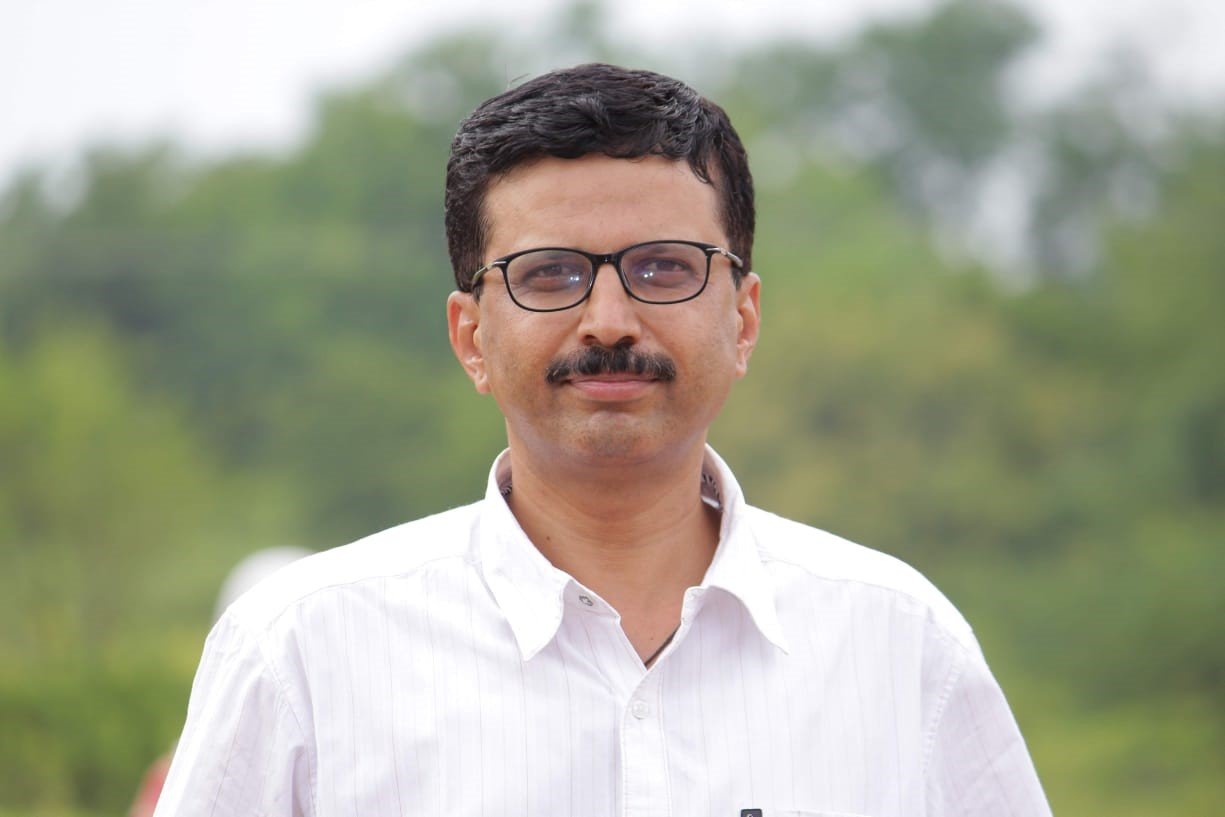
Dr Hrishikesh Arvindrao Khadilkar
Associate Professor
State Cancer Institute
Chhatrapati Sambhaji Nagar
Understanding the Cancer Burden: Situational Perspectives and the Role of Care Pathways and Navigation Systems.
Cancer has emerged as one of the foremost public health challenges of the 21st century, with a rapidly rising burden across both developed and developing regions. Globally, nearly 20 million new cancer cases and over 10 million cancer-related deaths occur annually, with low- and middle-income countries contributing a disproportionate share of mortality due to late diagnosis, limited access to diagnostics, and fragmented health systems. Asia alone accounts for nearly 60% of the global cancer burden, reflecting demographic transition, urbanisation, lifestyle changes, and persistent inequities in health care access.
IAPSM MAHARASHTRA STATE ORATION
Dr. Mrunalini Pathak Memorial Oration
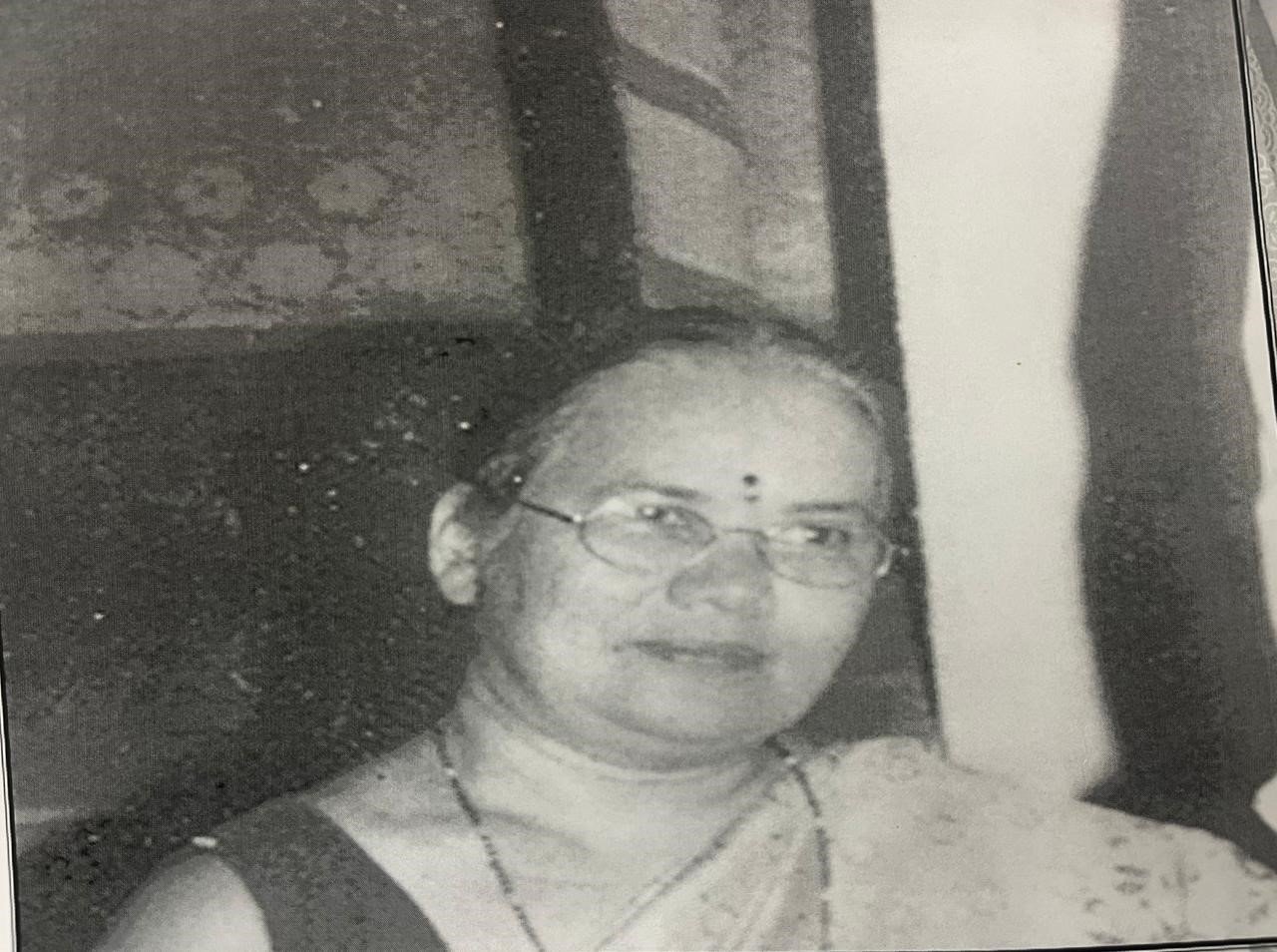
Dr. Mrunalini Pathak
Professor and Head, PSM - Dr. VNGMC, Sapangi
IGMC Nagpur - JNMC, Sawangi Meghe, Wardha
Officiating Dean, JNMC, Sawangi Meghe, Wardha
MCI Inspector (Full Time)
Dr. Mrunalini Pathak was an enthusiastic teacher who was involved in popularizing Research Methodology and Computer applications among the students. She has a very good understanding of application of statistics and epidemiology in medical and public health research. She met a tragic end due to road traffic accident.
ORATION BESTOWED UPON
Dr. Prashant Bagdey
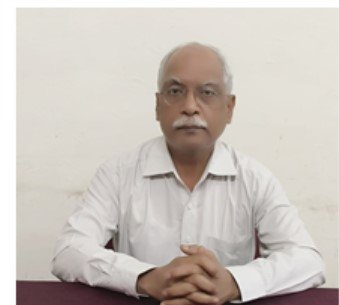
Dr. Prashant Bagdey
Professor and Head,
Dept. of Community Medicine,
Government Medical College, Gondia
CLIMATE CHANGE AND HEALTH: PREPARING COMMUNITY HEALTH SYSTEMS FOR FUTURE RISKS IN INDIA
Climate change presents an unprecedented public health crisis for India, where rising temperatures, erratic monsoons, extreme weather events, and shifting disease vectors threaten millions, particularly vulnerable rural and marginalized communities. High-altitude regions now report unprecedented malaria and dengue outbreaks as warmer climates expand mosquito habitats beyond traditional lowland boundaries. Urban centers face intensified heat island effects, while coastal districts battle recurrent cyclones and flooding that disrupt essential healthcare delivery. India's 200,000+ public health facilities—70% lacking basic climate resilience—confront growing threats from heatwaves, flash floods, and waterborne diseases, with district-level vulnerability mapping identifying over 500 high-risk zones requiring immediate intervention.
IAPSM MAHARASHTRA STATE ORATION
Dr. P. S. N. Reddy Oration (IAPSM) Oration
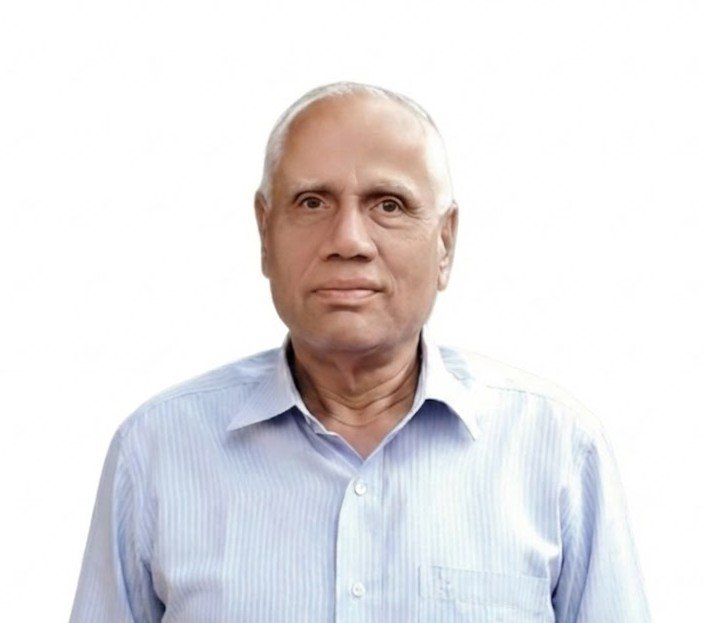
Dr. P. S. N. Reddy
Dr. P. S. N. Reddy joined Lokmanya Tilak Municipal Medical College, Mumbai as a lecturer in PSM in 1970. He became Associate Professor in 1977 and Professor in 1983 and rose to the position of Professor and Head at LTMCMC in 1990. He was appointed Dean of LTMCMC in 2000.
After retiring from LTMCMC he joined Terna Medical College as Vice Dean from 2000 to 2004 and then joined DY Patil Medical College as Dean from 2004 to 2006. Over the years he has been a guide to many postgraduate and undergraduate students. He was considered as the best teacher by LTM Medical College students in 1994.
He has several research publications in indexed medical journals. Dr. Reddy has been a great teacher, an avid follower of cricket and reading, and maintained close contact with all his associates and students. Dr P.S.N. Reddy left for heavenly abode on 21st October 2025.
ORATION BESTOWED UPON
Dr. Ashish Mishra
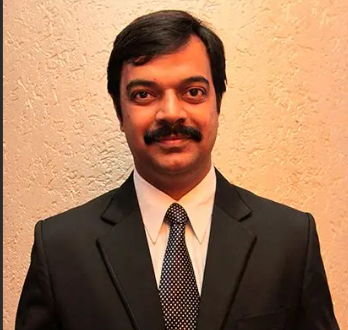
Dr. Ashish Mishra
Chief Health & Wellbeing Officer
Hindustan Unilever Ltd, Mumbai
Occupational Health: What’s in it for Public Health Specialists?
Though the observation of disease associated with work was known since ancient times, Occupational Health evolved as a discipline post Industrial Revolution when pioneers like Ramazzini systematically documented this in the early eighteenth century. This was later formalized through legislation especially for Factories and Mines. In many countries including India, Occupational Health resides in Community Medicine / Public Health. Training in Populational Health, Epidemiology, Community Based Research, Public Policy, and the very preventive nature of Occupational Health makes the placement logical. However, knowledge and skills in Industrial Hygiene, Risk Assessment, Toxicology and ergonomics are required to become a successful Occupational Health Specialist and must be acquired. The role of Community Medicine also extends to supporting the Occupational Health needs of those in the informal sector, which comprises 92% of our workforce. So, Occupational Health not only provides both Career options as a specialist in formal sector but also helps make the community healthier and productive while working in the community in Primary Health setting by prevention and early diagnosis in the informal sector.
IPHA MAHARASHTRA STATE ORATION
Padma Bhushan Dr. Banoo Jehangir Coyaji Oration
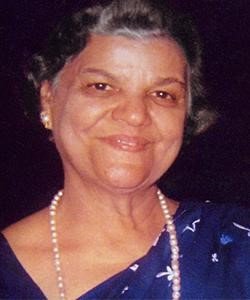
Dr. Banoo Coyaji (1917–2004)
In 1940 an amazing career began, Banoo Coyaji (then Kapadia) graduated from the Grant Medical College. She then married Jehangir Coyaji, an electrical engineer. Following a 1-½ year residency in Obstetrics and Gynaecology, she joined her brother-in-law Dr. Edulji Coyaji in his general practice.
In 1944, Dr. Edulji sent his 27-year-old sister-in-law, Dr. Banoo Coyaji to King Edward Memorial Hospital (KEM) with her husband and son. In April 1944, Sardar Moodliar appointed her as a full-time doctor in the maternity hospital at KEM. Thus began a 55- year long career that transformed both young doctors and the small hospital. Over the years, KEM grew from a 40-bedded maternity hospital to 550 beds in 1999.
She always had a positive approach and a “can do” attitude. For 55 years she remained at the helm, watching KEM grow and flourish under her stewardship. Her name became inseparable in people’s minds with KEM Hospital.
ORATION BESTOWED UPON
Dr. Jayashree Gothankar
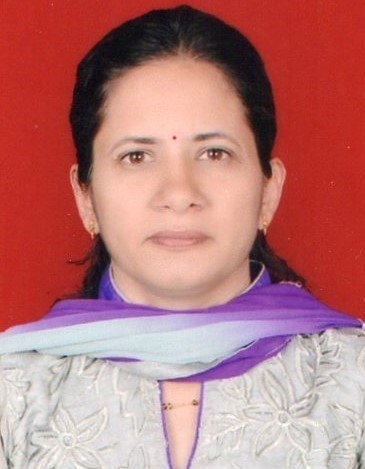
Dr. Jayashree Gothankar
Professor
Department of Community Medicine & Incharge Research- CRPU,
Bharati Vidyapeeth Deemed University, Pune.
Mapping of COPD and Asthma in the Non-communicable Disease Control Activities.
Amid India's epidemiological transition, in which NCDs are increasing due to aging populations and a shift in socioeconomic status, Maharashtra is at a higher-middle Epidemiological Transition Level (ETL). Chronic Obstructive Pulmonary Disease, diagnosed by spirometry with post-bronchodilator FEV1/FVC <0.7, has a prevalence of 7.4% among adults (rural 5.6%, urban 11.4%), ranking as India's second-leading cause of death. Asthma affects 34.3 million Indians (13% of the global burden), with higher mortality due to poor management, which is characterised by post-bronchodilator reversibility of ≥12%. These Chronic respiratory diseases are driven by factors like biomass fuel exposure (with 2.65-fold increased COPD risk), tobacco smoke exposure, vehicular pollution, the elderly with multimorbidity, and vulnerable families are commonly affected. It is characterised by low awareness (99.3% unaware of COPD), diagnostic gaps (spirometry use <18%), treatment gaps (inhaled corticosteroid use <8%), and poor inhaler technique (64.6%).
IPHA MAHARASHTRA STATE ORATION
Padmashri Dr. Suhaschandra V. Mapuskar Oration
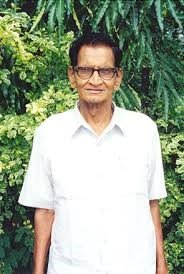
Padmashri Dr. Suhaschandra V. Mapuskar (1935 - 2015)
Dr. Suhas Vitthal Mapuskar was an Indian doctor and a social activist who revolutionized rural sanitation practices, before it became a national priority. He worked actively on native technology and community-based solutions to lead the country towards a clean revolution. After college, Dr Mapuskar approached the Directorate of Health Services for a job. There was only one vacancy in Dehu village. He readily took the job and moved there. Once, when the villagers told him that the hospital was haunted, the young doctor slept in the hospital verandah. He slept well, but the next morning he discovered that there were no toilets in the hospital. To relieve himself, he went through the village into the forest. He found a lot of villagers there who he had met the previous evening. He felt ashamed and made a decision to never defecate in the open. He excavated a simple trench toilet for himself and used medicine cartons to form a wall around the bathroom.
ORATION BESTOWED UPON
Dr. Karbhari Kharat
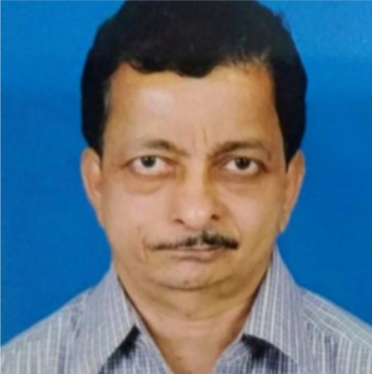
Dr. Karbhari Kharat
Urban Immunization Consultant UNICEF,
Maharashtra (GAVI Project)
Ex Assistant Director,
Directorate of Health Services,
Government of Maharashtra
Zero Dose Implementation Plan (ZIP) in India
ZIP is a strategic and visionary initiative to reach Zero Dose Children (ZDC) in India. It adopts a multifocal approach to address the complex and diverse challenges of immunization across the country, ensuring that no child is left behind. ZIP is guided by four core objectives: (A) improving reach and quality of immunization service delivery, (B) implementing evidence-based demand generation activities, (C) digitizing service delivery and developing actionable plans, and (D) strengthening governance and review mechanisms. The initiative includes eleven key interventions supported by UNICEF, WHO, UNDP, and JSI: U-WIN, mobilizer incentivization, improved and inclusive microplanning, monitoring and mentoring, CSO engagement, rapid immunization skill enhancement, institutionalized training, program and action planning, data analytics for routine immunization review, community of practice on demand, and behavioral and social drivers surveys. The overall goal of ZIP is to immunize every child through the Identify, Reach, Monitor, Measure, and Advocate (IRMMA) approach.